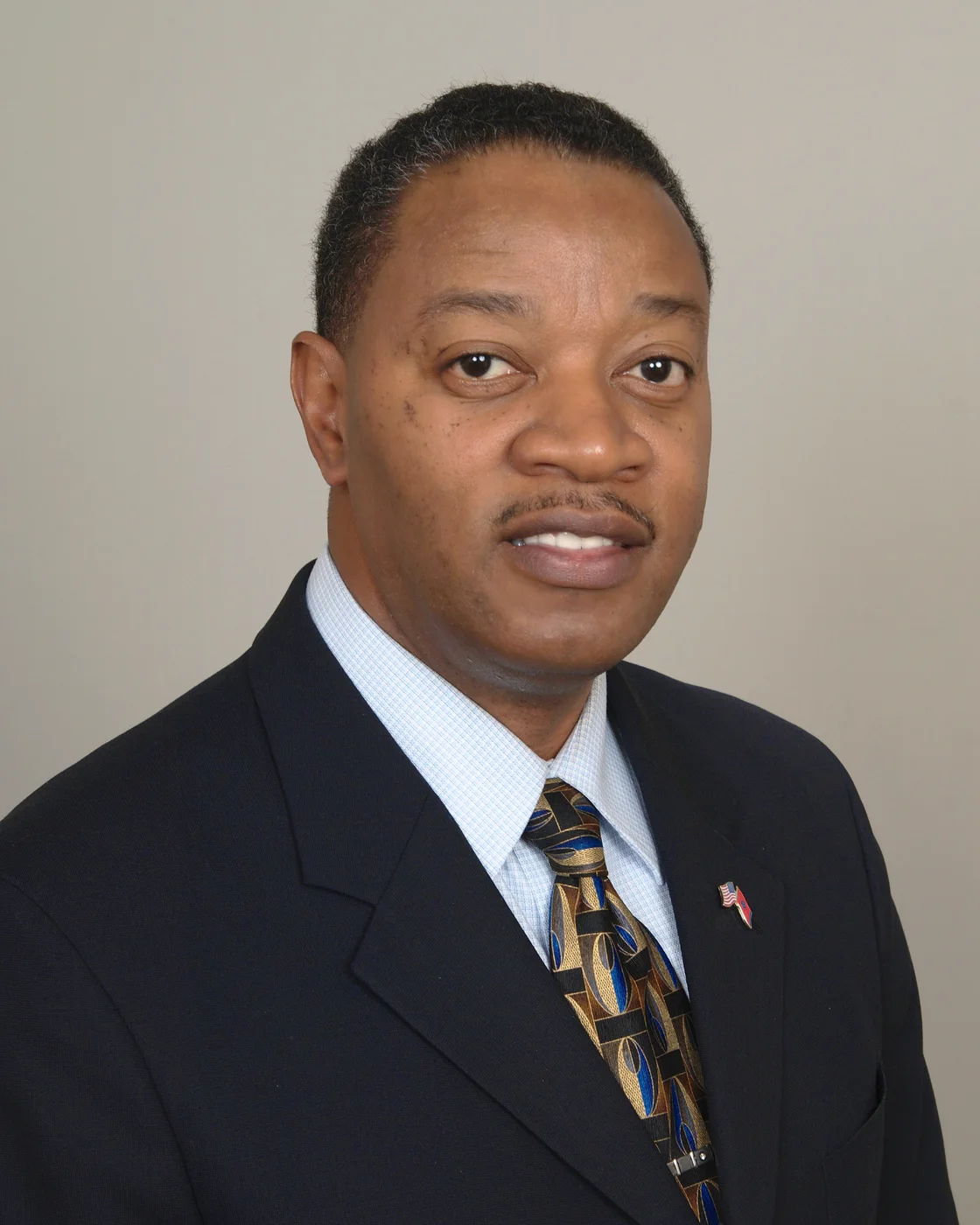
A new Memphis group led by a former teachers' union president will ask Mid-South school districts for their complaint procedures. Membership is free to join.
A teacher with a problem at work, or a parent worried about a child’s school, often has the same first question: who do I talk to? A new Memphis-based group says it wants to answer that for every school district in the Mid-South.
The Education Advocacy Alliance launched Oct. 28. It plans to build a school district resource directory listing each district’s grievance and complaint procedures, the departments responsible, administrative contacts and the appeal routes open to people who are not satisfied.
The Alliance says it will ask districts directly for that information: their grievance policies, who handles what, professional contact details and their set procedures for resolving complaints. It is inviting districts across West Tennessee, eastern Arkansas and northern Mississippi to send their official complaint procedures and contacts now, while the directory is being put together.
“The goal is to help individuals understand where to begin, whom to contact, and how to pursue appropriate next steps without unnecessary confusion or confrontation,” the group said in its announcement.
The directory has no launch date yet. Asked on Oct. 30 how far it had got, Page said the Alliance is “currently preparing the framework for collecting and verifying official grievance procedures, administrative contacts, and appeal processes throughout the Mid-South.” He added: “We have not yet announced any formal district participation, and we do not want to establish a public completion date until we can ensure the information is accurate and useful.”
A former union president starts over
The Alliance was founded by David J. Page, Jr., who has about 27 years of experience in K-12 education and was once a teachers’ union president. According to the Alliance’s About page, he earned a bachelor’s degree in art education from the University of Tennessee at Knoxville in December 1990 and has worked in classroom teaching, math instruction, student behavior support and school improvement in Tennessee, Mississippi and Arkansas.
The same page says the idea goes back years. After a difficult dispute with school administration, Page set up a website, MemphisCitySchools.com, to tell his own story. He says he launched it in April 2000 as an independent site where teachers and community members could raise concerns about public education. Teachers began adding theirs, and Page recalls the site eventually drew more than 10,000 comments before the volume became too much for one person and he closed it.
The Alliance, the page says, “is not intended to recreate a public forum dominated by grievances.” Page’s own description of what it is for:
“Advocacy should not be about creating conflict where cooperation can produce a solution,” he said. “The goal is to identify concerns, document the facts, give the appropriate individuals an opportunity to respond, and pursue accountability when reasonable efforts fail to produce results.”
‘Partnership First. Advocacy When Necessary. Accountability Always.’
That motto sums up the approach. The Alliance lists five principles:
- Communication first: take a concern to the person or office directly involved.
- Established procedures: find and follow the school’s and district’s own grievance process.
- Documented accountability: keep an accurate record of concerns, responses and what was done to fix them.
- Recognition of positive leadership: credit schools and district staff who respond well and resolve problems.
- Responsible escalation: when local procedures do not produce an answer, help people understand district appeals and outside oversight channels.
The group says it will track praise as well as complaints. “Our responsibility is not simply to identify what is wrong,” Page said. “It is equally important to recognize when school leaders take meaningful steps to make things right. Accountability includes acknowledging progress while making sure that promised solutions are actually completed.”
It also says some matters, including immediate safety concerns, discrimination, retaliation and other protected complaints, may need specialized reporting procedures or more direct action than its step-by-step model.
Not a union
The Alliance says it is not trying to become a collective bargaining representative or to negotiate employment contracts for school district employees. Instead it plans to offer information, guidance and advocacy help while keeping working relationships with districts constructive. Its website says it is not affiliated with or endorsed by any school district, and that its information and administrative support are not legal advice.
On privacy, the group says members’ identities will not be published in its membership directory, and that it will get permission before contacting a district on behalf of an identifiable member or asking for confidential records. It also says complaints will be reviewed carefully, separating what has been reported from what has been independently verified.
What it means for you
- Teachers and school staff: paraprofessionals, counselors, office staff, custodians and retired educators can join as well as classroom teachers. The membership page said on Oct. 30 that basic membership is free, and that each application is reviewed privately before the account is switched on.
- Parents and guardians: the Alliance says it offers help preparing for school meetings and improving communication with schools. Grandparents and other family advocates can join too.
- Principals and district leaders: administrators are also welcome to join, and districts can send their complaint procedures for the directory.
- Contact: the Alliance is at educationadvocacyalliance.com, info@educationadvocacyalliance.com or 901-212-6575.
For district contacts, school calendars and report cards now, see our Memphis schools guide and our list of every Memphis public school.
Have your say